
Provider Summary
Primary Uses
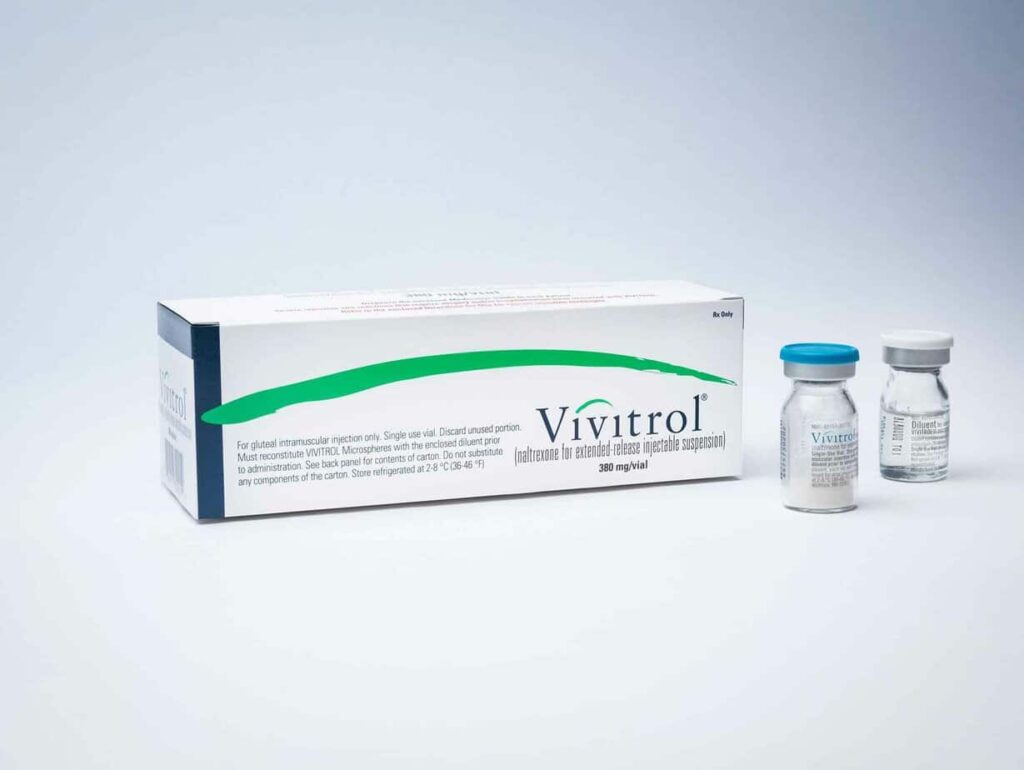
Maintenance treatment of alcohol use disorder and prevention of relapse to opioid dependence after detoxification; patient selection and program criteria apply.
Mechanism of Action
Opioid receptor antagonist (blocks μ-opioid receptors), reducing rewarding effects of opioids and helping reduce alcohol craving in some patients.
Pre-treatment / Baseline Requirement
Confirm opioid-free interval prior to initiation (risk of precipitated withdrawal); obtain baseline liver function tests; review concomitant opioids and pain management plan; pregnancy status when appropriate; assess depression/suicidality risk; verify no hypersensitivity to naltrexone.
Common side effects
Injection-site pain/nodule, nausea, headache, fatigue, dizziness.
Serious adverse effects / key risks
Precipitated opioid withdrawal if opioids are present; hepatotoxicity (dose-related risk); hypersensitivity; depression/suicidality; injection-site necrosis (rare).
Clinical notes
Patients will have reduced opioid analgesic response while on naltrexone; emergency analgesia planning is important.
Referral requirements
Standard infusion referral form + drug-specific checklist.
Patient & Caregiver Education
What it treats
Maintenance treatment of alcohol use disorder and prevention of relapse to opioid dependence after detoxification; patient selection and program criteria apply.
How it works
Blocks opioid receptors; reduces opioid effects and can reduce alcohol craving in some patients.
Before treatment
Tell your clinician if you have an active infection/fever, are pregnant/planning pregnancy, or have major heart/nerve problems. Depending on the medication, you may need labs or screening tests (e.g., TB/hepatitis) and a vaccine review.
Common side effects
Injection-site pain/nodule, nausea, headache, fatigue, dizziness.
Get urgent help for:
Precipitated opioid withdrawal if opioids are present; hepatotoxicity; hypersensitivity; depression/suicidality; injection-site necrosis.
On treatment Day:
plan to stay for monitoring. If you feel dizzy, drowsy, or unwell afterward, do not drive and follow your clinician’s instructions.