
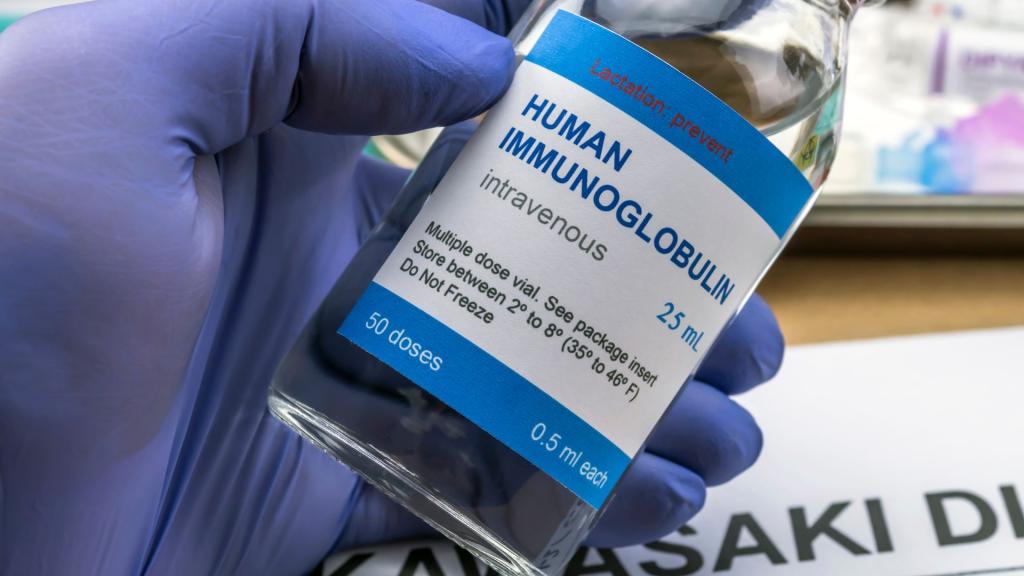
IVIG
(Gammagard, Gamunex-C, Gammaked)
Provider Summary
Primary Uses
Primary immunodeficiency and multiple immune-mediated neurologic/hematologic conditions when criteria are met (indication depends on diagnosis).
Mechanism of action
Pooled IgG that modulates immune function through multiple mechanisms (Fc receptor blockade, complement modulation, autoantibody neutralization).
Pre-treatment / baseline requirements
Baseline IgG levels (when indicated), renal function (SCr/eGFR), CBC; assess thrombosis risk factors; consider baseline serum viscosity in select high-risk patients; ensure adequate hydration; premedication plan per clinician; verify brand/formulation compatibility (sucrose content, IgA content) based on patient risk factors.
Common side effects
Headache, fatigue, chills, myalgias, infusion-related discomfort, nausea.
Serious adverse effects / key risks
Thrombosis; hemolysis; renal dysfunction (rare with modern products but risk persists in susceptible patients); aseptic meningitis; anaphylaxis (especially in IgA deficiency).
Clinical notes
Common IVIG brands include Gammagard, Gammunex-C, and Gammaked. Product selection may vary based on indication, IgA content, excipients, and payer preference.
Referral requirements
Standard infusion referral form + drug-specific checklist
Patient & Caregiver Education
What it treats
Primary immunodeficiency and multiple immune-mediated neurologic/hematologic conditions when criteria are met.
How it works
Blocks complement (C5), preventing immune-mediated damage in certain rare conditions.
Before treatment
Tell your clinician if you have an active infection/fever, are pregnant/planning pregnancy, or have major heart/nerve problems. Depending on the medication, you may need labs or screening tests (e.g., TB/hepatitis) and a vaccine review.
Common side effects
Headache, fatigue, chills, myalgias, infusion-related discomfort, nausea.
Get urgent help for
Thrombosis; hemolysis; renal dysfunction; aseptic meningitis; anaphylaxis.
On treatment day
Plan to stay for monitoring. If you feel dizzy, drowsy, or unwell afterward, do not drive and follow your clinician’s instructions.