
Provider Summary
Primary Uses
Moderate-to-severe allergic asthma, chronic spontaneous urticaria, chronic rhinosinusitis with nasal polyps, and IgE-mediated food allergy (per label age criteria and payer requirements).
Mechanism of Action
Anti‑IgE monoclonal antibody that binds free IgE, reducing allergic cascade activation.
Pre-treatment / Baseline Requirement
Confirm IgE-mediated disease (IgE level, allergen testing, and clinical history as applicable); initial doses are typically administered in a healthcare setting due to anaphylaxis risk; ensure availability of emergency management.
Common side effects
Injection-site reactions, headache, arthralgia, fatigue.
Serious adverse effects / key risks
Boxed warning: anaphylaxis (can occur after first dose or later); hypersensitivity; rare cardiovascular/vascular events reported in postmarketing.
Referral requirements
Standard infusion referral form + drug-specific checklist
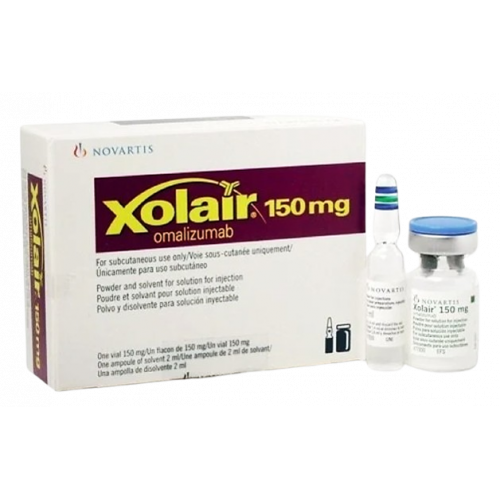
Patient & Caregiver Education
What it treats
Moderate-to-severe allergic asthma, chronic spontaneous urticaria, chronic rhinosinusitis with nasal polyps, and IgE-mediated food allergy
How it works
Anti‑IgE monoclonal antibody that binds free IgE, reducing allergic cascade activation.
Before treatment
Tell your clinician if you have an active infection/fever, are pregnant/planning pregnancy, or have major heart/nerve problems. Depending on the medication, you may need labs or screening tests (e.g., TB/hepatitis) and a vaccine review.
Common side effects
Injection-site reactions, headache, arthralgia, fatigue.
Get urgent help for:
Boxed warning: anaphylaxis; hypersensitivity; rare cardiovascular/vascular events reported in postmarketing.